
Why Your Partner Gets Defensive When You Just Want to Talk
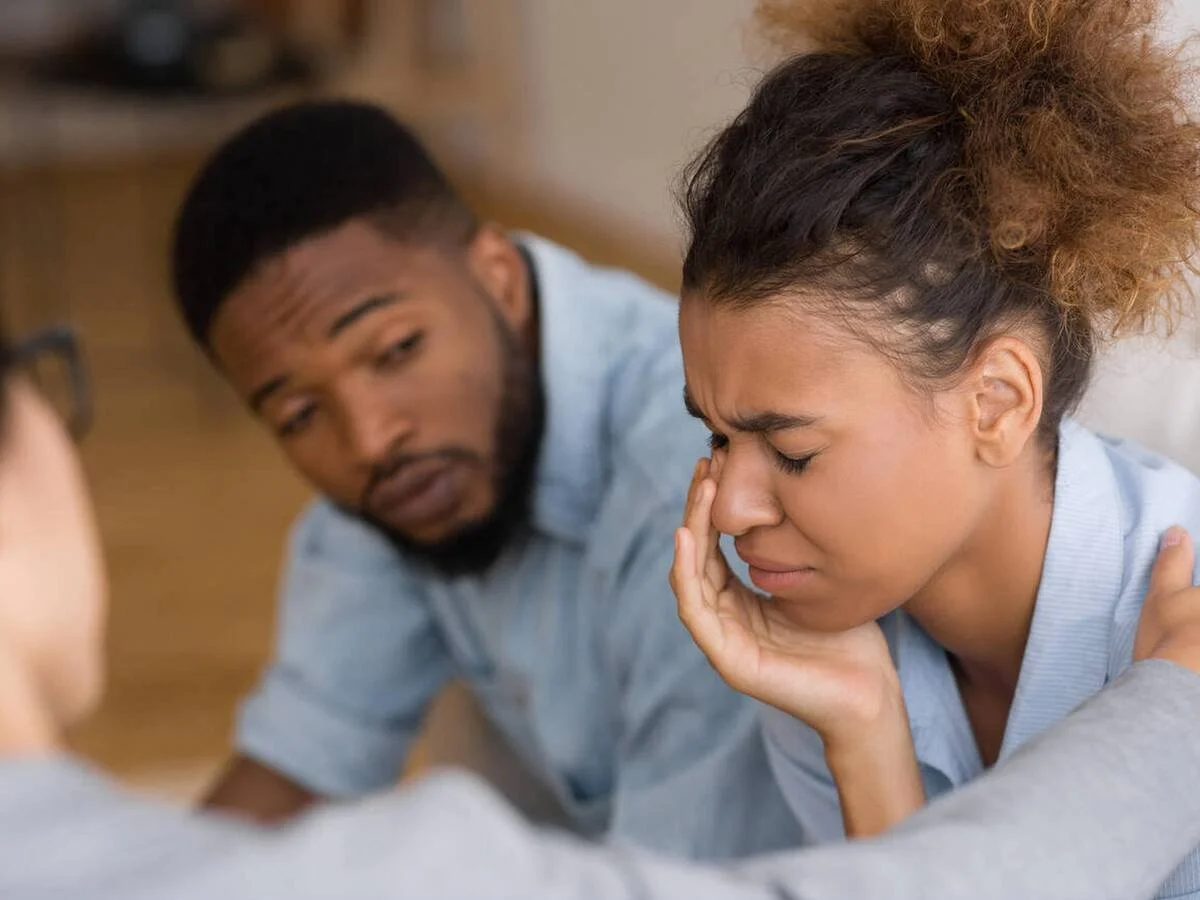
You’re not trying to start a fight.
You’re trying to talk about something that matters to you. Maybe it’s a feeling you’ve been holding in. Maybe it’s something that’s been bothering you for a while. You choose your words carefully. You even tell yourself, Stay calm. Don’t accuse.
And still, somehow, it happens.
Your partner stiffens. Their tone shifts. They explain. Deflect. Push back. Maybe they say you’re overreacting. Maybe they turn it around on you.
Now you’re not talking about the original issue anymore. You’re dealing with defensiveness—and feeling even more alone than before.
If this keeps happening in your relationship, you’re not failing at communication. You’re likely running into a very human protection response.
What Defensiveness Is Really About
Defensiveness often looks like dismissal, argument, or counterattack. But underneath, it’s rarely about not caring.
More often, it’s about threat.
When one partner brings up a concern, the other may hear something very different from what was intended:
“I’m failing.”
“I’m being blamed.”
“I’m about to be judged or rejected.”
Even if the words are calm, the nervous system may react as if danger is present. Defensiveness steps in quickly, trying to protect against shame, inadequacy, or the fear of not being enough.
From the outside, it can feel infuriating. From the inside, it can feel like survival.
Why It Feels So Personal to the Partner Reaching
The partner who wants to talk is often reaching for connection, not conflict.
They may already feel hesitant bringing things up. They may have replayed the conversation in their head, hoping this time it will land differently.
So when defensiveness shows up, it can feel like:
“You’re not listening.”
“My feelings don’t matter.”
“I can’t ever say this safely.”
In my office, I often see how quickly this dynamic turns into emotional disconnection. One partner feels shut out. The other feels attacked. Sometimes this leads one partner to begin shutting down during conflict altogether. And both walk away feeling misunderstood.
Again, the problem isn’t intention. It’s the cycle that forms between you during conflict.
The Cycle That Takes Over

Defensiveness as Protection
Defensiveness often isn’t about pushing someone away. It’s a reflexive response to perceived threat, shame, or fear of not being enough.
One partner raises a concern, hoping to feel closer.
The other hears criticism and braces.
Defensiveness leads to frustration.
Frustration leads to stronger language.
Stronger language confirms the original fear.
Soon, neither of you feels safe enough to stay open.
This is why couples can understand each other deeply outside of conflict—and still get stuck in the same arguments when emotions are involved. Once protection takes over, access to empathy shrinks.
What Changes When Safety Grows
When emotional safety increases, conversations slow down.
The partner who tends to get defensive doesn’t have to guard as hard. They can hear feedback without immediately translating it into failure.
The partner who wants to talk can speak more vulnerably, not more carefully—because they trust the relationship can hold it.
This doesn’t mean hard conversations disappear. It means they become less threatening and more connective.
And this kind of shift doesn’t happen through communication tricks alone. It happens when both partners feel safer in the emotional bond itself.
How Couples Therapy Helps
In couples counseling, we don’t try to eliminate defensiveness by force.
Instead, we work to understand what it’s protecting.
Using Emotionally Focused Therapy, therapy helps couples:
slow reactive moments down
recognize fear and shame beneath defensiveness
respond in ways that lower threat rather than escalate it
In my work providing couples therapy in Columbia, MD, I see how powerful it is when couples stop framing defensiveness as resistance and start seeing it as a signal. When safety increases, defensiveness no longer has to work so hard—and real conversations become possible again.

Reconnection After Defensiveness
When defensiveness softens and safety increases, couples can begin to hear each other again and reconnect with more ease.
A Gentle Reassurance
If your partner gets defensive when you try to talk, it doesn’t mean they don’t care. And if you’re exhausted from feeling shut down, that makes sense too.
These patterns form to protect connection, even when they end up doing the opposite.
Prefer to hear this explained out loud? I talk more about defensiveness and emotional cycles here.
To learn more about how couples therapy can help you strengthen communication and emotional connection, visit our Couples Therapy in Columbia, MD page.
For a deeper understanding of how therapy helps couples create safety and rebuild closeness, read The Ultimate Guide to Couples Therapy in Columbia, MD.
If you’re in Maryland and this sounds familiar, couples therapy can help.
Book a free consult →