
If We Love Each Other, Why Do We Keep Fighting?
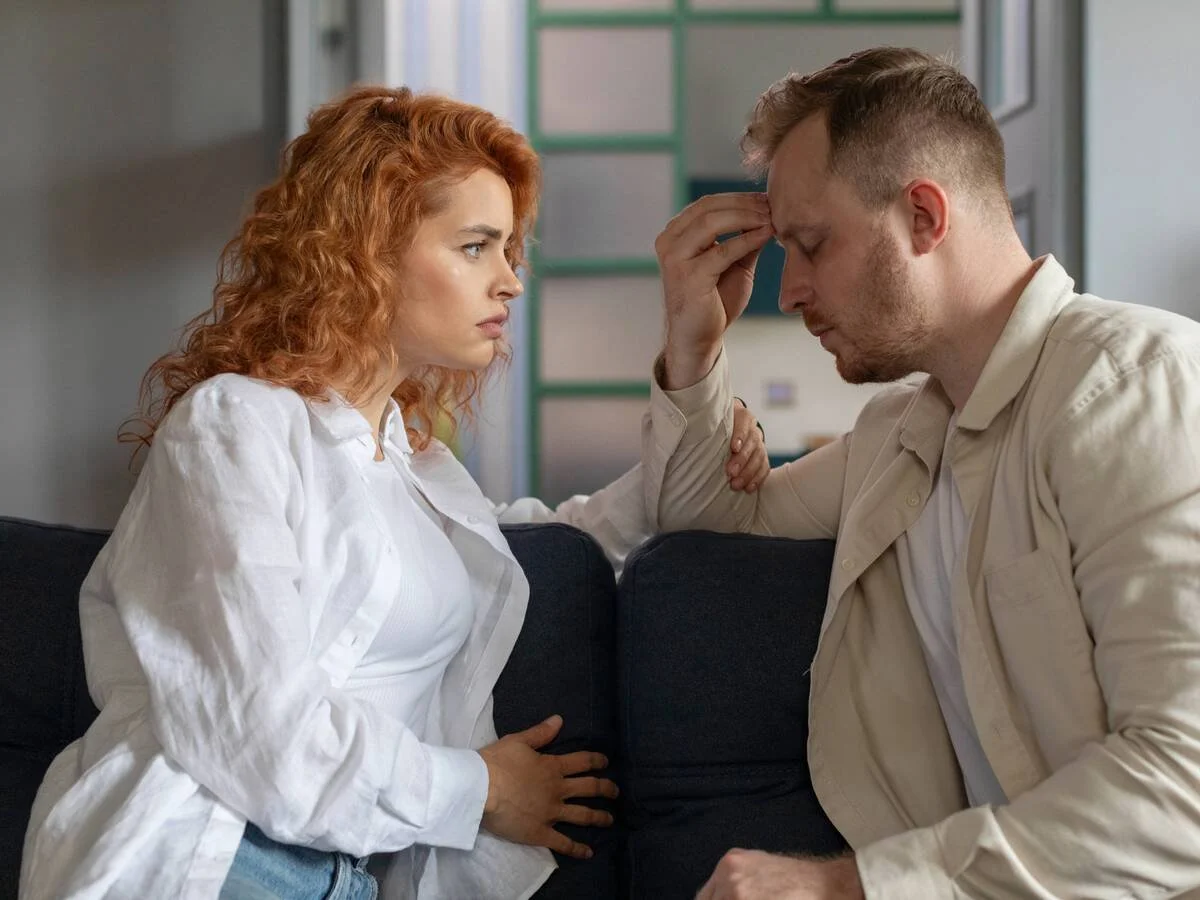
If you've ever found yourself thinking,
"We love each other... so why do we keep hurting each other?"
you're not alone.
It's one of the most painful questions couples ask.
Many people quietly worry that if they keep having the same arguments, it must mean something is fundamentally wrong with the relationship.
Maybe they're incompatible.
Maybe they've grown apart.
Maybe the love just isn't what it used to be.
Sometimes those things are true.
But much more often, I see something different.
I meet couples who love each other deeply.
They still want the relationship.
They still care what happens to each other.
They still imagine growing old together.
Yet somehow they keep ending up in the same painful fights.
If that sounds familiar, here's something I hope feels reassuring.
The fact that you're fighting doesn't necessarily mean the love has disappeared.
Sometimes it means the relationship matters so much that every moment of distance feels incredibly painful.
Prefer to Watch Instead?
If you'd rather watch a quick overview first, I've created a short video explaining why couples who love each other can still get caught in the same painful arguments, why the problem is often the relationship cycle rather than either partner, and how emotional safety helps couples reconnect.
The People We Love Affect Us the Most
Think about someone you barely know.
If they misunderstand you...
criticize you...
or seem disappointed in you...
it might bother you for a few minutes.
Then life goes on.
Now imagine your partner doing the exact same thing.
It lands completely differently.
Why?
Because this is the person whose opinion matters most.
The person you want comfort from.
The person you want to feel chosen by.
The person you hope will understand you when nobody else does.
The closer someone is to our heart, the more deeply they affect us.
That's not a flaw.
That's attachment.
Love makes us wonderfully connected.
It also makes us wonderfully vulnerable.

Love Makes Us Vulnerable
The closer someone is to us, the more deeply their words, distance, or misunderstanding can affect us. That's why conflict often feels so intense in close relationships.
Why the Same Arguments Keep Happening
Most couples assume they're arguing about the topic.
Money.
Parenting.
Household responsibilities.
Sex.
In-laws.
Time together.
Those things matter.
But they're rarely the whole story.
Underneath the conversation is often something much more vulnerable.
One person is wondering,
"Do I still matter to you?"
The other is wondering,
"Am I failing you?"
One reaches harder.
The other protects.
Neither person sets out to hurt the other.
Both are trying to protect something deeply important.
Unfortunately, the way they protect themselves often creates exactly the distance they were hoping to avoid.
Love Doesn't Automatically Make Us Feel Safe
This surprises many couples.
Love and emotional safety are not exactly the same thing.
You can love someone deeply while still feeling misunderstood.
You can love someone deeply while becoming defensive.
You can love someone deeply while shutting down during conflict.
Most people aren't reacting to the current disagreement alone.
They're reacting to what that disagreement begins to mean.
"Maybe I can't get through to you."
"Maybe I always disappoint you."
"Maybe I'm losing you."
Those fears often happen so quickly that neither partner realizes they're there.
All they notice is another argument.
The Problem Usually Isn't Either Person
One of the biggest shifts couples experience in therapy is realizing that the problem isn't one partner.
It's the cycle.
Maybe one partner criticizes because they're afraid of losing connection.
The other withdraws because they feel overwhelmed and inadequate.
The more one pursues...
the more the other pulls away.
The more one pulls away...
the harder the other reaches.
Neither person created the cycle alone.
Yet both feel trapped inside it.
When couples begin seeing the cycle instead of seeing each other as the problem, something important starts changing.
They stop fighting against each other.
And begin working together against the pattern that's pulling them apart.
What Actually Changes the Fighting
Many people come to therapy hoping they'll learn better communication skills.
Communication certainly matters.
But in my experience, lasting change usually starts somewhere else.
It starts with understanding.
Understanding what's happening beneath the anger.
Beneath the criticism.
Beneath the silence.
Rather than deciding who's right, we become curious.
What's happening inside each of you right now?
What did you hear your partner saying?
What were you needing in that moment?
As emotional safety begins growing, something interesting often happens.
Couples discover they already know how to listen.
How to comfort.
How to repair.
Those abilities were never completely gone.
They had simply become hidden beneath fear, protection, and painful patterns.

Safety Changes Everything
Healing rarely happens because couples suddenly find the perfect words. It happens as emotional safety grows and partners begin experiencing each other differently.
This Is Why Couples Therapy Looks Different Than Many People Expect
Many people imagine couples therapy as an hour spent deciding who handled the argument correctly.
That's rarely what we're doing.
Instead, we're slowing the conversation down enough to notice the moments that usually happen too quickly to see.
You might notice yourself feeling misunderstood.
Your partner might notice themselves becoming overwhelmed.
Rather than rushing past those moments, we become curious about them.
Those moments often tell us far more than another hour spent debating the details of last Tuesday's argument.
In Emotionally Focused Therapy, I'm not trying to decide who's right.
I'm helping the two of you understand what keeps happening between you.
Because once you understand the cycle, you're no longer trapped inside it in quite the same way.
Fighting Doesn't Mean Your Relationship Is Failing
One of the greatest misconceptions about relationships is that healthy couples don't fight.
Healthy couples disagree.
They misunderstand each other.
They hurt each other sometimes.
The difference isn't the absence of conflict.
It's what happens afterward.
Can they repair?
Can they understand what happened?
Can they find each other again?
That's where secure relationships are built.
Not by avoiding conflict...
but by learning how to reconnect after it.
A Reassuring Perspective
If you've been wondering,
"If we love each other, why do we keep fighting?"
I hope you'll leave with a different question.
Instead of asking,
"What's wrong with us?"
perhaps ask,
"What keeps pulling us into this cycle?"
Because often, the intensity of the conflict isn't evidence that love is gone.
It's evidence that the relationship matters deeply.
The people we love most have the greatest ability to comfort us.
They also have the greatest ability to hurt us.
That's why relationships can feel so painful.
But it's also why healing can be so powerful.
When emotional safety begins returning, couples often discover something beautiful.
The love was never completely missing.
It had simply become buried beneath the cycle.
To learn more about how couples therapy helps partners understand these relationship patterns, visit my Couples Therapy in Columbia, MD page.
If you're wondering what the therapy process actually looks like, you may also find these articles helpful:
The Ultimate Guide to Couples Therapy
What to Expect in Your First Couples Therapy Session
If you're in Maryland and this feels familiar, I'd be honored to help.
Book a free consultation →
