
Why Therapy Can Feel Hard Before It Starts Helping

Many couples expect therapy to feel like a relief.
They imagine finally sitting down with someone who can help them communicate better, understand each other, and stop the same arguments from happening.
Sometimes that is exactly what the first session feels like.
But just as often, couples leave feeling emotionally exhausted.
One partner might think,
"I didn't expect that to be so hard."
Another might wonder,
"Are we actually getting anywhere?"
Some even worry they have made things worse simply because they are talking about painful things more than they used to.
I often reassure couples that this experience is more common than they realize.
Feeling challenged during therapy does not automatically mean therapy is failing.
Sometimes it means the work has finally begun.
Prefer to Watch Instead?
If you'd rather watch a quick overview first, I've created a short video explaining why couples therapy sometimes feels harder before it starts helping and why that doesn't automatically mean therapy isn't working.
Therapy Stops Helping You Avoid The Pain
Long before couples come to therapy, they have usually developed ways of protecting themselves.
Some couples avoid difficult conversations altogether.
Others argue about the same surface issues because talking about what really hurts feels too vulnerable.
Some become critical.
Others become quiet.
Many simply learn to live beside each other instead of truly connecting.
These strategies usually develop for a good reason.
They help each person get through another difficult interaction.
The problem is that they also keep the relationship stuck.
One of the first things therapy does is gently slow those familiar patterns down.
Instead of walking around the pain, we begin looking at it together.
That can feel uncomfortable.
Not because therapy is creating new problems.
Because it is helping you notice problems that have been there for a long time.
You Are Learning A Different Way To Relate
Many people come into therapy hoping for better communication.
Communication certainly matters.
But in Emotionally Focused Therapy, we are usually doing something deeper than simply teaching new communication skills.
We are helping partners experience each other differently.
That often means risking conversations that have never felt safe before.
Saying,
"I'm scared of losing you."
instead of,
"You never listen."
Or saying,
"I don't know how to do this without shutting down."
instead of simply walking away.
Those conversations require vulnerability.
Vulnerability rarely feels easy in the beginning.
Especially if the relationship has felt painful for a long time.
Old Patterns Often Show Up During Therapy
Some couples apologize when they argue during a session.
They assume they are doing therapy wrong.
I usually tell them the opposite.
One thing I often tell couples is that I expect their relationship cycle to show up in my office.
If it stayed hidden, we would only be talking about it.
When it happens in the room, we can slow it down together.
We can notice what happens just before one partner becomes critical.
We can understand what happens inside the partner who begins shutting down.
Instead of asking,
"Who started this?"
we begin asking,
"What was happening inside each of you right before this cycle took over?"
Those moments often become some of the most important parts of therapy.
Not because they feel good.
Because they finally become understandable.
Why Therapy Can Feel More Emotional Before It Feels Better
One of the biggest surprises for many couples is that therapy can temporarily bring emotions closer to the surface.
That is not because therapy is making the relationship worse.
It is because you are no longer working so hard to push those emotions away.
Many partners have spent years protecting themselves.
Some protect themselves with anger.
Some with criticism.
Some with silence.
Some by convincing themselves they no longer care.
Underneath those protective reactions are often much softer emotions.
Hurt.
Fear.
Loneliness.
The longing to feel important to the person you love.
Those emotions can feel overwhelming when they first begin coming into the room.
That is completely understandable.
The goal of therapy is not to leave you overwhelmed.
The goal is to help you experience those emotions in a way that creates more understanding instead of more distance.

Change often begins inside the therapy room.
Emotionally Focused Therapy helps couples experience each other differently before those changes feel steady at home. Small moments of safety, softness, and understanding in session can become the foundation for lasting change.
Real Change Is Experiential
One thing I appreciate about Emotionally Focused Therapy is that it is not primarily about giving couples better advice.
It is about creating new experiences between partners.
That is why I rarely send couples home with worksheets or communication scripts.
Those things can be helpful, but lasting change usually comes from something deeper.
It comes from having a different experience of your partner.
Maybe your partner responds with comfort instead of defensiveness.
Maybe they stay present when they would normally withdraw.
Maybe, for the first time in years, you feel understood instead of criticized.
Those moments often happen in the therapy room before they begin happening consistently at home.
Your mind may forget parts of the conversation.
Your nervous system usually does not.
The body remembers what it feels like to be safe with someone.
Over time, those experiences begin changing how couples naturally respond to one another.
That is why progress sometimes starts inside the therapy room long before it becomes obvious in everyday life.
Hard Does Not Mean Harmful
There is an important difference between therapy feeling difficult and therapy feeling unsafe.
Good couples therapy should challenge old patterns.
It should invite conversations that have felt impossible outside the office.
But neither partner should leave feeling shamed, attacked, or like the therapist has chosen sides.
One of my goals is helping both partners feel deeply understood, even when they strongly disagree with each other.
When people feel understood, they become much less defensive.
That creates space for conversations that simply were not possible before.
You Do Not Have To Feel Better After Every Session
Many couples assume they should leave every therapy session feeling hopeful and connected.
Sometimes you will.
Other times you may leave feeling emotionally tired.
You may still be thinking about something your partner shared.
You may realize you are carrying more hurt than you had recognized.
Or you may simply need time for the conversation to settle.
That does not necessarily mean the session was unsuccessful.
Some of the most meaningful sessions I have with couples do not end with everything resolved.
They end with both partners understanding each other just a little differently than they did an hour earlier.
Those shifts can be surprisingly quiet.
But they often become the foundation for much bigger changes later.
One thing I have noticed is that couples are often discouraged because they expect change to happen during the week between sessions.
Sometimes it does.
But just as often, the biggest changes begin while the couple is sitting together in my office.
One partner hears something they have never understood before.
The other experiences being met with empathy instead of criticism.
Neither person leaves with a homework assignment to force themselves to behave differently.
Instead, they leave having experienced something different together.
That new experience is often what they begin carrying home with them.
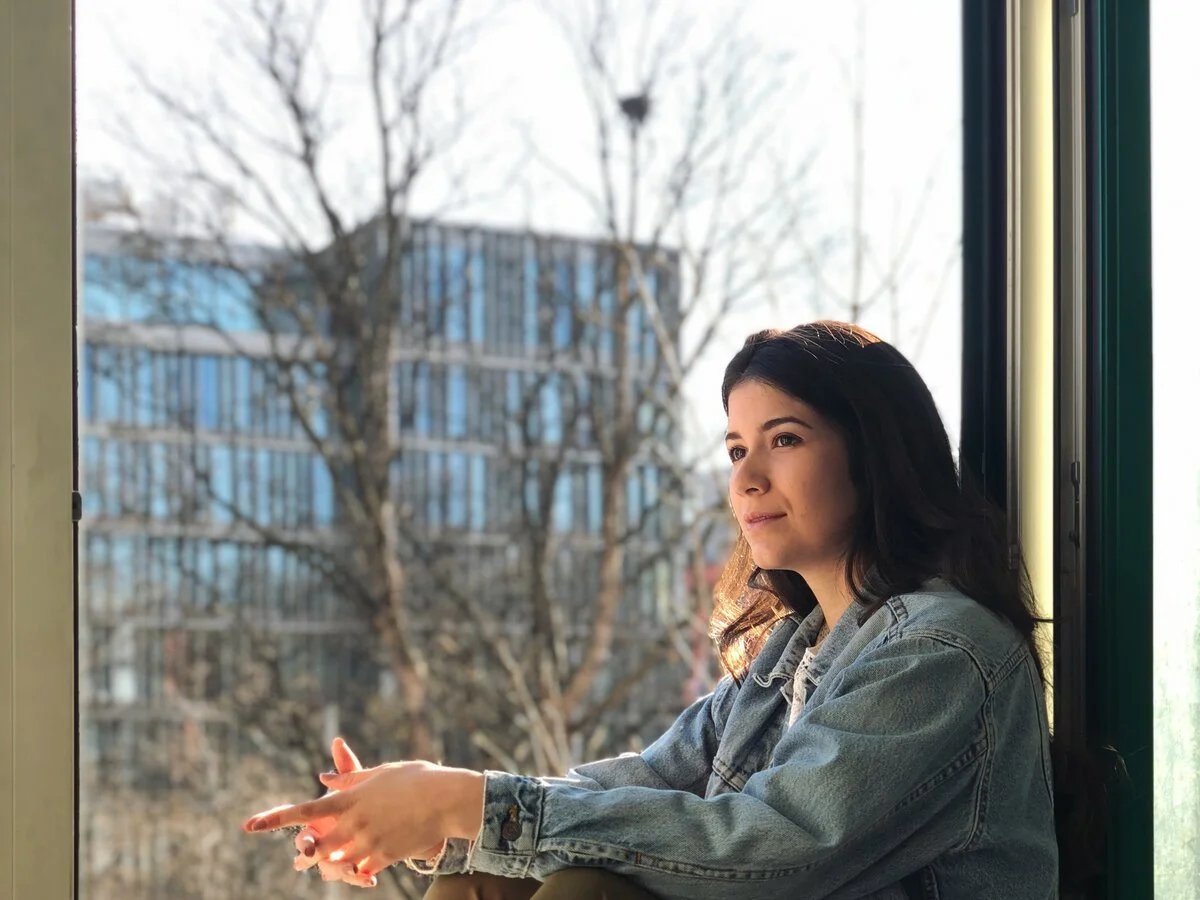
Feeling discouraged does not mean therapy is failing.
Some sessions feel emotionally heavy because important things are finally being named. With support, those difficult conversations can become the beginning of deeper understanding and repair.
A Reassuring Perspective
If therapy feels harder than you expected, it does not automatically mean it is not working.
Sometimes it means you are finally talking about the things that have been shaping your relationship for years.
Healing rarely happens by avoiding those places.
It happens by moving through them together in a way that feels safer than before.
Many couples later tell me that the sessions they almost canceled were the ones that helped them understand each other the most.
The work is not always easy.
But it does not stay this hard forever.
As emotional safety grows, the conversations that once felt impossible often begin feeling more natural.
To learn more about how couples therapy can help support these shifts, visit our Couples Therapy in Columbia, MD page.
For a deeper understanding of what couples therapy looks like over time and what to expect from the process, read The Ultimate Guide to Couples Therapy in Columbia, MD.
If you are in Maryland and this sounds familiar, couples therapy can help.
Book a free consult →
