
When Is the Right Time to Start Couples Therapy?

Most couples do not start therapy at the beginning of a problem.
They usually come in after months or years of trying to manage things on their own. After the same arguments keep repeating. After emotional distance has slowly become normal. After both people have spent a long time wondering whether things can actually change.
By the time many couples reach out, they are exhausted.
One partner may feel desperate for things to improve. The other may feel hesitant, discouraged, or unsure therapy will help at all.
In couples therapy, I often tell people this clearly.
You do not have to wait until things are falling apart to get support.
Prefer video? I also talk about this topic here:
The Myth That Couples Therapy Is Only for Crisis
A lot of people assume therapy is something couples do as a last resort.
They think they should wait until they are absolutely certain the relationship is in danger. Or until they have tried everything else first.
But waiting often makes things harder.
The longer painful cycles repeat, the more hopeless and reactive couples tend to become. Small moments start carrying years of hurt underneath them. Conversations feel loaded before they even begin.
In my office, I rarely see couples who came in “too early.” Much more often, I see couples who waited until the pain and disconnection felt deeply entrenched.
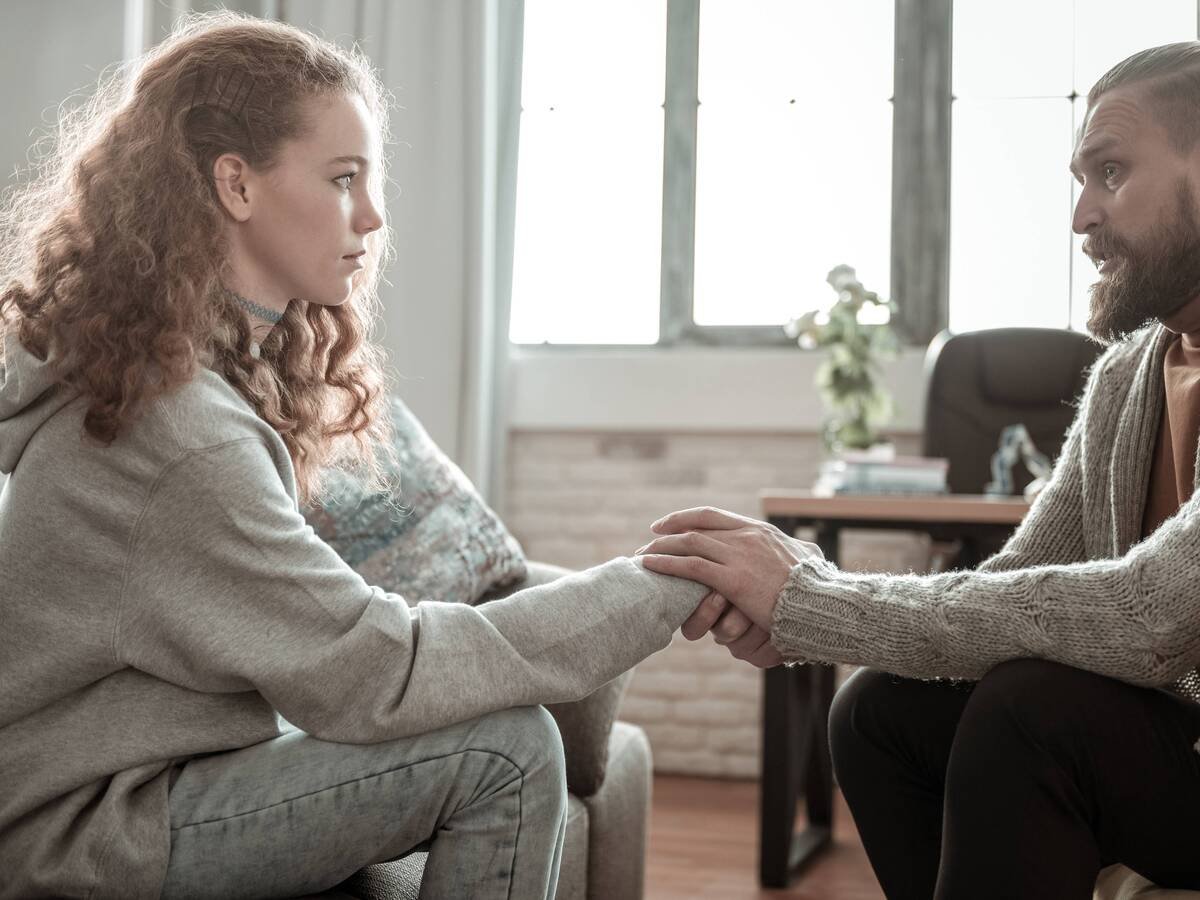
Many couples wait until painful cycles feel deeply entrenched before reaching out for support.
What Usually Brings Couples In
Couples therapy is not just for explosive conflict.
Many couples start therapy because they notice:
they feel more like roommates than partners
arguments never fully resolve
one or both people have started shutting down emotionally
resentment keeps building beneath daily interactions
they love each other but no longer feel emotionally connected
Sometimes there has not even been one major event. Things have simply felt off for a long time.
That matters too.
Distance in relationships often develops gradually. Therapy helps slow things down enough to understand what happened beneath the surface.
You Do Not Have To Be Fully Ready
One of the biggest fears couples have is that both partners need to feel equally motivated before therapy can help.
That is rarely true.
In many couples, one person reaches out first while the other feels uncertain, skeptical, or emotionally guarded. This dynamic often reflects the relationship cycle itself. One partner reaches. The other protects.
Therapy does not require perfect readiness. It requires enough openness to stay in the conversation.
In Emotionally Focused Therapy, we are not trying to force vulnerability or assign blame. We are helping couples understand the emotional patterns that keep pulling them apart, even when both people care deeply about the relationship.
Why Earlier Support Often Helps
The earlier couples begin slowing the cycle down, the easier it is to access the softer emotions underneath conflict.
Before resentment hardens completely.
Before hopelessness takes over.
Before every conversation feels emotionally dangerous.
That does not mean couples who have struggled for years cannot heal. They absolutely can.
But many couples feel relief simply realizing they do not have to wait for things to become catastrophic before getting support.
What Therapy Progress Usually Does Not Look Like
Many couples expect progress to feel obvious and steady.
They assume therapy is working only if arguments disappear quickly or if they immediately feel close again all the time.
That is usually not how change happens.
In emotionally focused couples therapy, progress is often uneven at first. Couples may still argue. Old reactions may still show up. Some weeks may even feel discouraging.
That does not automatically mean therapy is failing.
Often, the first signs of change are quieter than people expect. A conversation slows down slightly sooner. One partner becomes less defensive for a moment. Someone risks sharing hurt underneath anger instead of staying stuck in criticism or shutdown.
These moments can seem small when couples are still in pain. But they matter deeply.
Change in relationships usually begins with small shifts in emotional safety long before everything feels consistently different outside the therapy room.
How Couples Therapy Helps
In couples counseling, the focus is not on deciding who is right or wrong.
Using Emotionally Focused Therapy, therapy helps couples:
identify the cycle underneath recurring conflict
understand what each partner is protecting
create safer emotional conversations
rebuild connection and trust over time
In my work providing couples therapy in Columbia, MD, I often see couples begin to soften once they realize the problem is not one person. It is the painful pattern both partners keep getting pulled into together.
That shift alone can begin changing how the relationship feels.

Healing often begins in small moments of emotional safety before couples fully notice the changes outside the therapy room.
A Reassuring Perspective
If you have been wondering whether it is “bad enough” for couples therapy, that question itself may already tell you something important.
You do not need to wait until the relationship is collapsing to seek support.
Sometimes the right time to begin is simply when both of you are tired of feeling stuck.
To learn more about how couples therapy can help support these shifts, visit our Couples Therapy in Columbia, MD page.
For a deeper understanding of what couples therapy looks like over time and what to expect from the process, read The Ultimate Guide to Couples Therapy in Columbia, MD.
If you are in Maryland and this sounds familiar, couples therapy can help.
Book a free consult →
