
What If Your Partner Refuses to Go to Couples Therapy?
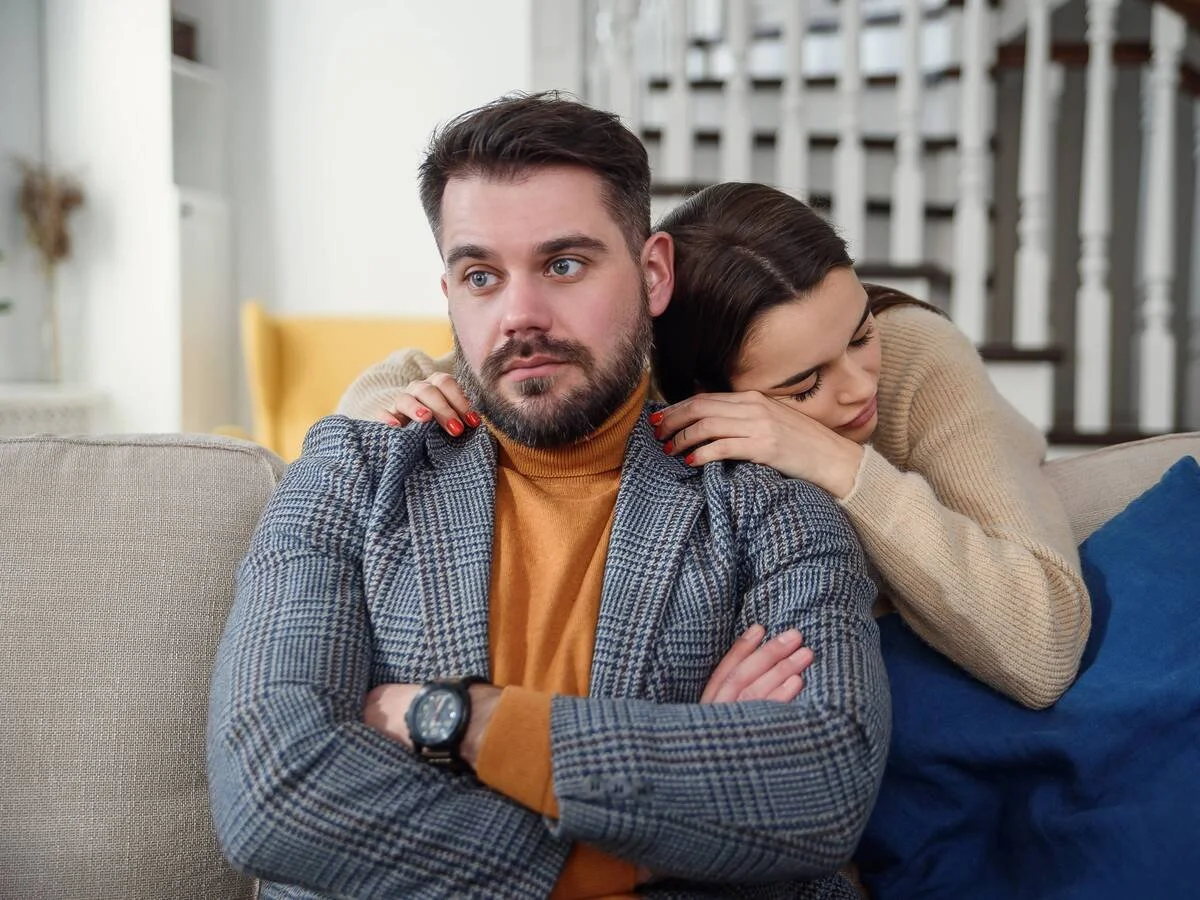
Few things feel more discouraging than realizing your relationship is struggling and then hearing your partner say they do not want therapy.
You may feel stuck.
Maybe you have been carrying the emotional weight of the relationship for a long time. Maybe you have read books, listened to podcasts, or tried bringing up the same concerns over and over again. Now that you are finally willing to ask for help, your partner wants nothing to do with it.
It can feel lonely, frustrating, and even hopeless.
In couples therapy, I often hear people worry that nothing can change unless both partners are fully on board. While it is true that therapy works best when both people participate, a partner's reluctance does not automatically mean you are out of options.
Why Some People Resist Couples Therapy
When one partner refuses therapy, it is easy to assume they do not care about the relationship.
Sometimes that is not what is happening at all.
People avoid therapy for many reasons.
They may worry about being blamed.
They may fear being pressured to talk about emotions they do not fully understand themselves.
They may believe therapy means something is seriously wrong with the relationship.
Some people have had negative experiences with therapy in the past. Others simply feel overwhelmed by the idea of sitting with painful conversations they have spent years trying to avoid.
In many cases, the refusal itself is a form of protection.
That does not make it easy. But understanding this can sometimes help reduce the feeling that your partner simply does not care.
What Many People Get Wrong About Couples Therapy
One of the biggest reasons people hesitate to come is because they imagine couples therapy is about deciding who is right and who is wrong.
That is not how I approach therapy.
I am not looking for a winner or a loser.
I am trying to understand what makes sense about each person's reactions.
When someone becomes critical, there is usually something important underneath the criticism.
When someone shuts down, there is usually a good reason they feel the need to protect themselves.
That does not mean every behavior is helpful.
But it does mean that both people's reactions usually make sense once we understand what is happening underneath.
In Emotionally Focused Therapy, we are not trying to decide whose fault the relationship is.
We are trying to understand the cycle that keeps pulling both people into painful interactions so they can begin facing the cycle together instead of each other.
Many reluctant partners feel relieved when they realize therapy is not about taking sides. It is about helping both people understand each other in a new way.
Why Couples Therapy Works Best When Both Partners Participate
Couples therapy is most effective when both people are in the room.
That is because the relationship is in the room.
As an Emotionally Focused Therapist, I am not just listening to individual stories. I am watching the interaction between partners. I am helping both people slow down the cycle as it happens in real time.
When one partner reaches and the other pulls away, we can explore that together.
When one partner becomes critical and the other shuts down, we can understand what each person is protecting and what they are longing for underneath.
Having both partners present allows us to work directly with the relationship rather than only talking about it.
That is why couples therapy remains the gold standard when both people are willing to participate.

The relationship is easiest to understand when both partners are in the room.
Couples therapy works best when we can slow down the cycle together. When one partner reaches and the other pulls away, each person's reaction shapes what happens next. Having both partners present helps us see the full picture and create new experiences of connection in real time.
What You Can Still Do If Your Partner Says No
Even though couples therapy works best with both partners, that does not mean you are powerless if your partner refuses.
Every relationship cycle has at least two people participating in it.
You cannot control your partner's reactions.
You cannot force vulnerability.
You cannot make someone attend therapy.
But you can become more aware of your own side of the cycle.
In my office, I often help people explore questions like:
What happens inside you when your partner pulls away?
What do you do when you feel hurt, rejected, or alone?
How might your reactions make sense given what you are feeling underneath?
These questions are not about blaming yourself. They are about understanding the part you have influence over.
Sometimes when one person changes how they participate in a cycle, the cycle itself begins to shift.
Not always.
But often enough that it is worth paying attention to.
Individual Therapy Can Still Be Helpful
Many people assume therapy is pointless if their partner refuses to come.
That is not necessarily true.
Individual therapy can help you better understand your emotional triggers, your relationship patterns, and the ways you try to protect yourself when connection feels uncertain.
It can help you become more intentional in how you respond during conflict.
It can help you decide what you need, what boundaries matter, and what kind of relationship you want to build moving forward.
While individual therapy cannot replace couples therapy, it can still create meaningful change.

Change can begin even if your partner is not ready.
While couples therapy is most effective when both partners participate, you still have influence over the cycle. Understanding your own reactions, softening old patterns, and responding differently can create meaningful shifts in the relationship. Sometimes those changes even make it easier for a reluctant partner to become open to therapy later.
A Reassuring Perspective
If your partner refuses couples therapy, it makes sense that you feel discouraged.
At the same time, their reluctance does not automatically mean the relationship is doomed.
Many partners who initially resist therapy eventually become more open once they feel less pressured and less afraid of being blamed.
And even if your partner is not ready right now, you can still begin understanding the patterns that keep both of you stuck.
Sometimes meaningful change begins when one person starts seeing the cycle differently.
Want to learn more? Watch my short YouTube video on what to do when your partner refuses couples therapy.
🎥 Watch on YouTube: What If Your Partner Refuses to Go to Couples Therapy?
To learn more about how couples therapy can help support these shifts, visit our Couples Therapy in Columbia, MD page.
For a deeper understanding of what couples therapy looks like over time and what to expect from the process, read The Ultimate Guide to Couples Therapy in Columbia, MD.
If you are in Maryland and this sounds familiar, couples therapy can help.
Book a free consult →
